Health Risks Associated With Wildlife Living in or Around Your Home
Wildlife removal experts can help protect your home from health risks associated with wildlife living in or around it by safely removing animals and preventing future infestations.
Homeowners in the area who notice wildlife activity around their property should be aware of the potential health risks associated with wildlife living in or around the home. Animals such as raccoons, squirrels, bats, and birds can carry parasites, bacteria, and diseases that may pose serious health concerns for residents and pets alike. Understanding these risks is an important step in maintaining a safe living environment, especially for households with children or individuals with compromised immune systems. Exploring options for wildlife management can help prevent unwanted visitors and reduce the chances of health issues developing from animal-related exposure.
Engaging with local contractors who specialize in wildlife removal can provide practical solutions for managing these concerns. These professionals are equipped to safely and effectively address wildlife intrusions, helping to eliminate health hazards and prevent future issues. Whether it involves sealing entry points or humane removal, connecting with experienced service providers ensures that wildlife-related health risks are minimized, allowing homeowners to enjoy peace of mind in their living spaces. Keep reading to learn more about how wildlife removal services can support a healthier, safer home environment.
- Wildlife exclusion - local contractors can identify entry points where animals may be living in or around your home to prevent potential health risks associated with wildlife living in or around your home.
- Attic cleanup and sanitation - experienced service providers safely remove animal droppings and nesting materials that pose health risks associated with wildlife living in or around your home.
- Rodent proofing - local pros can seal gaps and reinforce structures to reduce the chance of rodents and other wildlife entering your home and causing health concerns.
- Wildlife trapping and removal - trained contractors can humanely trap and remove animals that may carry diseases or pose health risks associated with wildlife living in or around your home.
- Sanitation and decontamination - service providers can disinfect affected areas to eliminate bacteria, parasites, and other health hazards linked to wildlife living in or around your home.
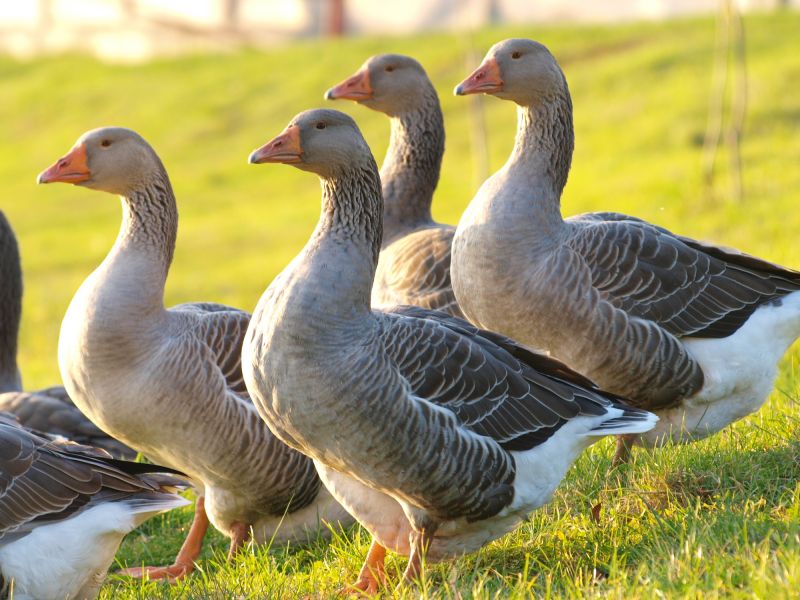
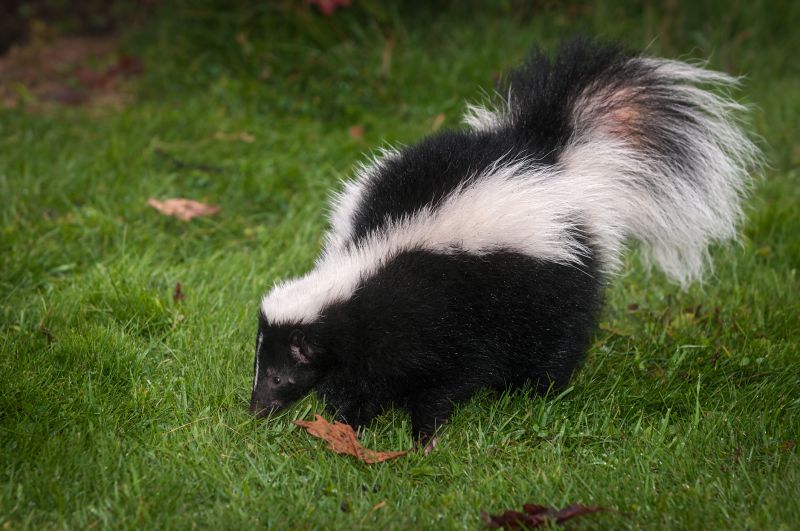
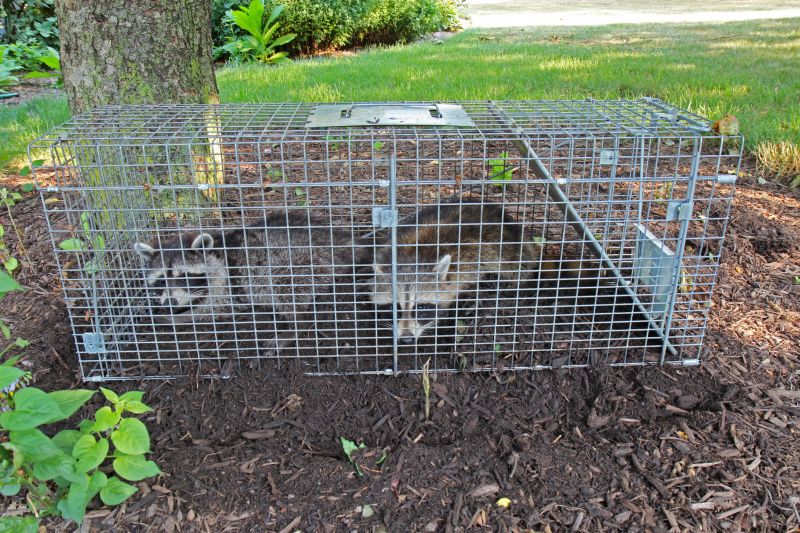
When people search for information about health risks associated with wildlife living in or around their home, they are often concerned about the potential dangers posed by animals that have taken up residence nearby. This topic typically arises when homeowners notice signs of animal activity, such as droppings, strange noises, or damage to their property. Many are seeking to understand how these animals might carry diseases or introduce health hazards into their living environment. The focus is usually on identifying specific risks linked to common wildlife species like raccoons, squirrels, bats, or birds, and learning how to address these dangers safely and effectively.
This subject is closely related to plans for wildlife exclusion, removal, and property maintenance. Homeowners may be considering professional services to humanely remove animals or prevent future intrusions. They often want to know about the health implications of having wildlife living in or around their home, especially if animals have nested in attics, crawl spaces, or beneath decks. Addressing these issues not only helps protect family members and pets but also reduces the risk of exposure to zoonotic diseases-illnesses that can be transmitted from animals to humans. Local service providers who specialize in wildlife removal can assist with both the safe removal of animals and the implementation of exclusion measures to prevent re-entry, helping to mitigate health risks.
The types of properties most likely to encounter wildlife-related health concerns include residential homes, especially those with accessible attics, basements, or exterior structures like sheds and decks. Rural properties, farms, and suburban neighborhoods with abundant trees and shrubbery are also common settings where wildlife may establish nests or dens. Homes with openings or damage that allow animals easy entry are particularly vulnerable. These properties often require targeted inspections and exclusion work to reduce the chances of animals living in or around the home, thereby lowering the associated health risks. Local contractors experienced in wildlife removal can evaluate property vulnerabilities and recommend appropriate solutions tailored to each situation.
Understanding the health risks associated with wildlife living in or around a home emphasizes the importance of professional intervention. Wildlife can carry a variety of diseases such as rabies, histoplasmosis, leptospirosis, and parasites like ticks and fleas, which pose real health threats to humans and pets. Many of these risks are heightened when animals are nesting in hidden or hard-to-reach areas. Engaging with local wildlife removal service providers helps ensure that animals are removed humanely and that property is properly sealed to prevent future issues. This approach not only addresses immediate health concerns but also promotes a safer living environment by reducing the likelihood of animal-related health hazards over time.
Wildlife exclusion services - these projects involve sealing entry points and preventing animals from inhabiting residential spaces, reducing health risks associated with wildlife living in or around your home.
Pest control and sanitation - professionals who handle pest removal and sanitation can help mitigate health hazards caused by droppings, nests, and parasites introduced by wildlife.
Attic and crawl space sealing - sealing and insulating these areas helps prevent wildlife from nesting inside, which can lower exposure to zoonotic diseases and allergens.
Rodent proofing services - specialists focus on blocking rodent entry points, minimizing the risk of disease transmission from rodents living in or around the home.
Wildlife habitat modification - creating barriers or removing attractants reduces the likelihood of wildlife settling close to living spaces, decreasing associated health risks.
Structural repairs and damage restoration - fixing damage caused by wildlife can prevent future infestations and reduce health hazards linked to animal droppings and debris.
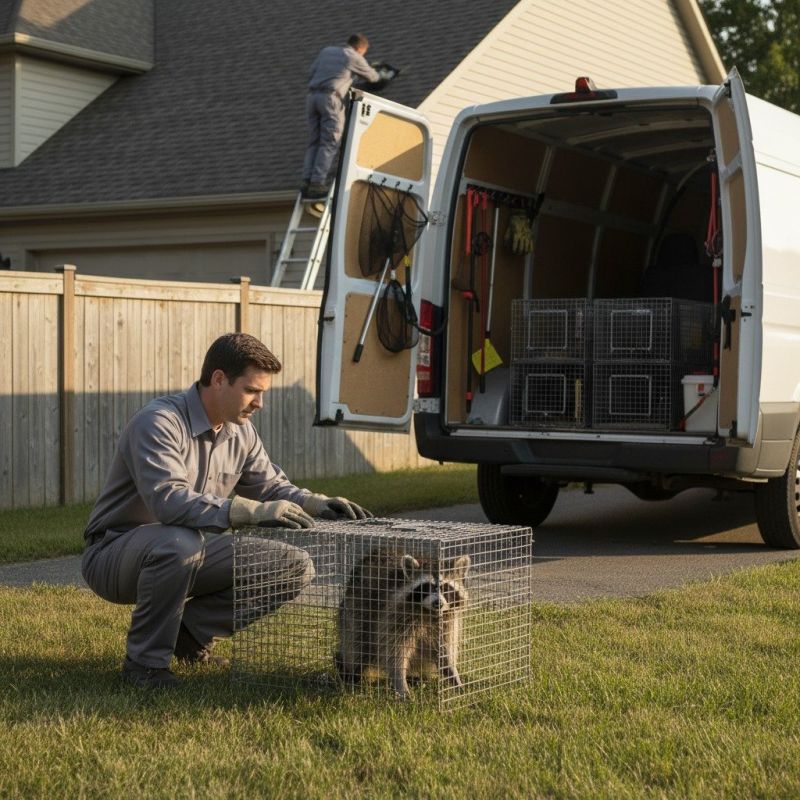
When evaluating wildlife removal service providers, it’s important to consider their experience handling projects similar to your situation. Local contractors with a proven track record of addressing wildlife living in or around homes are more likely to understand the specific health risks involved and how to mitigate them effectively. Asking about their past work can provide insight into their familiarity with common issues such as disease transmission, contamination, and structural damage caused by wildlife, ensuring that the chosen professional has the relevant expertise to manage these health concerns safely.
Clear, written expectations are essential when selecting a wildlife removal service. A reputable provider should be able to outline the scope of work, including the methods used to humanely remove animals and the steps taken to prevent future infestations. This transparency helps homeowners understand what to expect and reduces the risk of misunderstandings that could compromise health and safety. Detailed proposals also demonstrate a contractor’s professionalism and commitment to addressing the health risks associated with wildlife living in or around the home.
Good communication and reputable references are vital indicators of a dependable service provider. Homeowners should seek out local contractors who are willing to share references or reviews from previous clients, especially those who had similar wildlife-related concerns. Open, responsive communication ensures that questions about potential health hazards are addressed thoroughly, and any concerns about safety protocols are clarified. Choosing a provider with a solid reputation and clear communication practices can help ensure that the wildlife removal process minimizes health risks and is carried out responsibly.
Property owners often search for health risks associated with wildlife living in or around your home when they are planning practical projects around their homes and businesses. Local pros provide Wildlife Removal services for everyday jobs and straightforward project options.
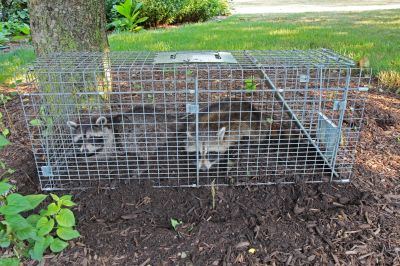
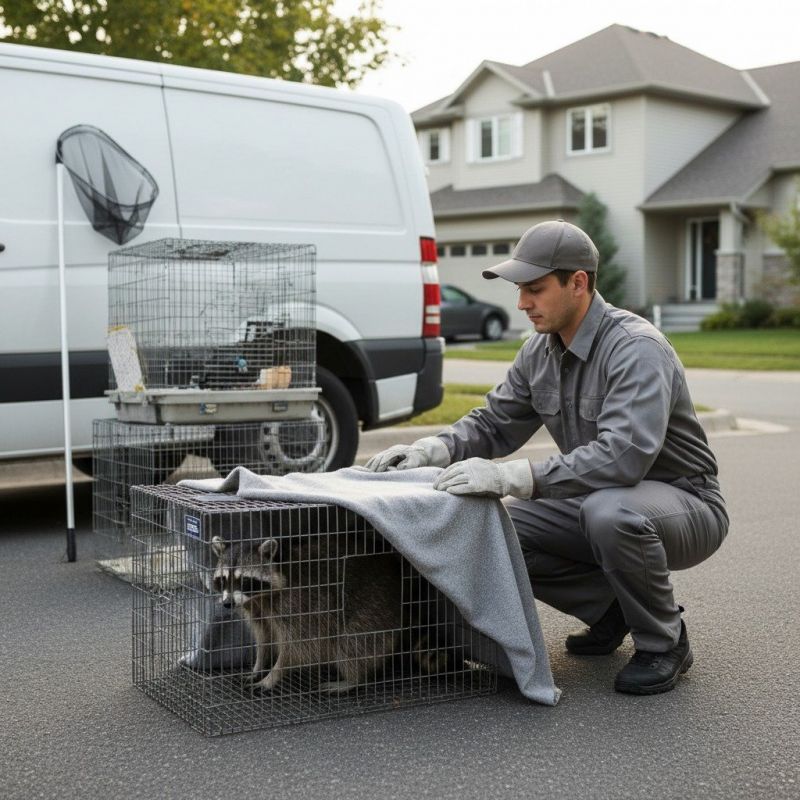
Wildlife living in or around a home can pose various health risks that property owners should be aware of. Animals such as rodents, raccoons, bats, and squirrels often carry parasites, bacteria, and viruses that can be transmitted to humans through direct contact or contaminated surfaces. For example, rodent droppings and urine can harbor pathogens that cause diseases like hantavirus or leptospirosis, which can lead to serious health issues if not properly managed. Additionally, wildlife can introduce pests like fleas and ticks into a residence, further increasing the risk of disease transmission. Recognizing these potential hazards highlights the importance of addressing wildlife intrusions promptly and effectively.
Property owners in the area may seek wildlife removal services to mitigate these health concerns and prevent future problems. Local contractors experienced in wildlife removal can safely and humanely remove animals from homes and attics, reducing the likelihood of disease spread and property damage. They can also help seal entry points and implement measures to prevent re-entry, ensuring a safer environment for residents. Consulting with these service providers can be a practical step toward managing health risks associated with wildlife living in or around a home, providing peace of mind and a healthier living space.
What health risks are associated with wildlife living in or around a home? Wildlife can carry diseases such as rabies, hantavirus, and parasites that pose health risks to residents. Local contractors can safely remove wildlife to reduce these dangers and prevent disease transmission.
How can wildlife in my home affect my family's health? Wildlife can introduce bacteria, parasites, and allergens that may cause respiratory issues, infections, or allergic reactions. Professional wildlife removal helps eliminate these health hazards effectively.
Are there risks of disease transmission from rodents or bats in the attic? Yes, rodents and bats can carry diseases that may spread through droppings, urine, or bites. Local service providers can safely handle removal and decontamination to protect health.
What health concerns come with wildlife nesting in vents or chimneys? Wildlife nesting in these areas can lead to the spread of germs and attract pests like fleas or ticks, which can transmit illnesses. Wildlife removal experts can address these issues safely.
Why is it important to hire professionals for wildlife removal to protect health? Professionals use proper techniques to remove wildlife and prevent contamination or disease spread, helping ensure a healthier living environment around the home.
Identify wildlife entry points - property owners can assess and seal gaps or holes to prevent animals from entering living spaces, reducing health risks associated with wildlife living in or around your home.
Install exclusion barriers - local contractors can help set up barriers around attics, vents, and chimneys to keep wildlife out and minimize exposure to potential health hazards.
Schedule regular inspections - routine checks by professionals can detect early signs of wildlife presence, helping to address health risks before they escalate.
Remove attractants safely - wildlife removal services can assist in clearing food sources and nesting materials that draw animals near or into the home, lowering health risks associated with wildlife living in or around your home.
If you are thinking about health risks associated with wildlife living in or around your home for a property, this guide is meant to help you understand this topic, the typical project types, and how different options might fit your plans.
When you are ready, you can use the quote form on this page to share a few details about your project. From there, local pros can review the basics and follow up with options that match what you have in mind.