How Small Animals Impact Commercial Buildings and Business Operations
Commercial small animal removal specialists help protect buildings and business operations by safely eliminating pests like rodents and raccoons that can cause damage and disruption.
Understanding how small animals impact commercial buildings and business operations is essential for property owners seeking to maintain a safe and efficient environment. Small animals such as rodents, squirrels, and birds can cause significant disruptions, including property damage, contamination, and health risks that may affect daily operations. Exploring this topic helps business owners identify potential vulnerabilities and learn practical ways to prevent infestations. Local contractors specializing in small animal removal are equipped to address these issues effectively, ensuring that buildings remain secure and operational without the complications that come with unwanted pests.
For property owners in the area, staying informed about the ways small animals can impact commercial spaces can lead to more proactive management. Small animals often find ways into buildings through small openings or structural weaknesses, and their presence can lead to costly repairs or health code violations. By understanding these risks, business operators can better evaluate when professional small animal removal services are needed to protect their investments. Connecting with experienced local service providers ensures that any small animal issues are handled efficiently, helping to keep business operations running smoothly and minimizing potential disruptions.
- Commercial building inspections - local contractors assess how small animals may have entered or caused damage, helping property owners understand potential risks.
- Small animal exclusion - service providers implement barriers and repairs to prevent animals from infiltrating commercial spaces, minimizing future issues.
- Wildlife removal for businesses - professionals safely remove small animals causing infestations that could disrupt daily operations or compromise building integrity.
- Damage repair services - local pros address structural or insulation damage caused by small animals, restoring safety and functionality for businesses.
- Preventative maintenance - experts recommend ongoing strategies to mitigate the impact of small animals on commercial buildings and business operations.
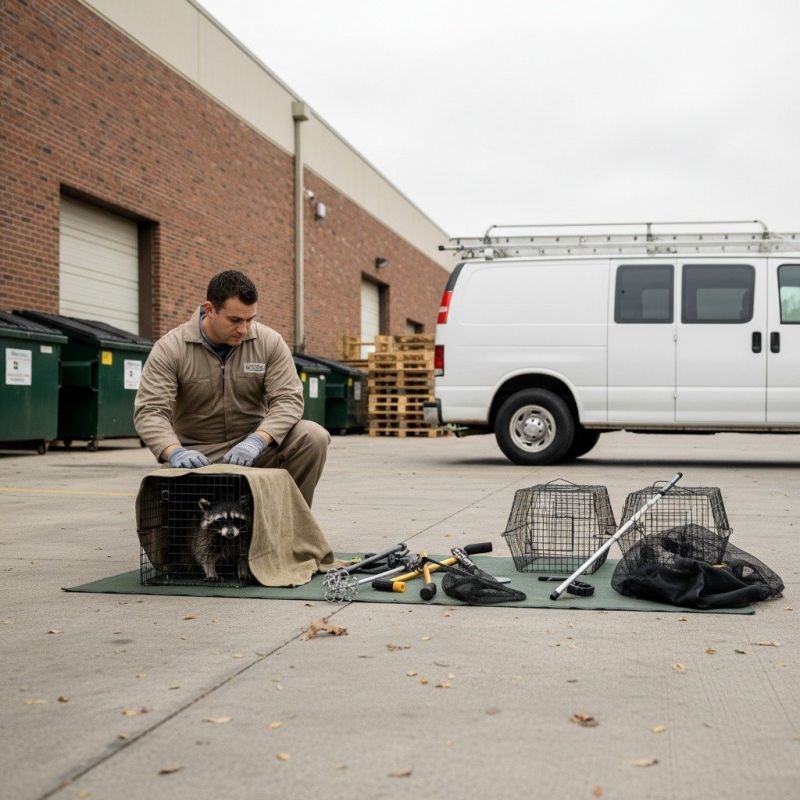
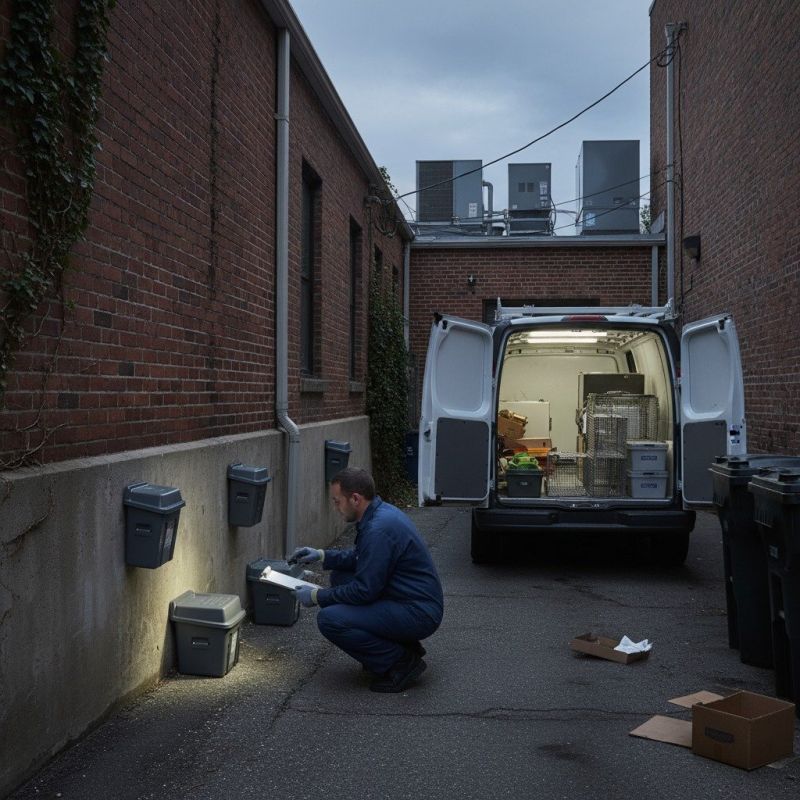
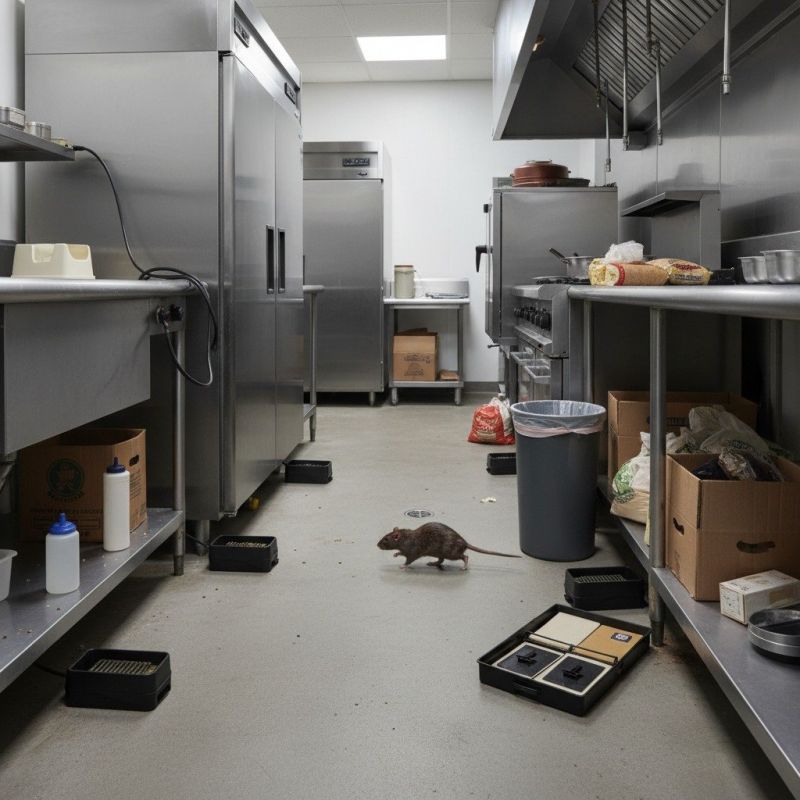
When people search for information about how small animals impact commercial buildings and business operations, they are often concerned with the various ways these creatures can cause damage or disruption. Small animals such as rodents, squirrels, bats, and birds often find ways into commercial properties, especially in areas with accessible entry points or limited maintenance. Property owners and managers want to understand the risks these animals pose, including structural damage from gnawing, contamination of stored goods, or health hazards due to droppings and nesting materials. Recognizing the signs of small animal activity and knowing how it can affect daily business functions is a common starting point for those seeking solutions.
This topic relates closely to plans for property maintenance, pest prevention, and damage control. Small animals can compromise the integrity of building structures by gnawing on wiring, insulation, and wood framing, which can lead to costly repairs or even fire hazards. Additionally, their presence can interfere with operations by contaminating inventory or creating unsanitary conditions that might violate health regulations. Business owners often consider integrated pest management strategies or regular inspections to prevent infestations, and in some cases, they need professional removal services to handle active problems. Understanding how small animals impact commercial buildings helps in developing proactive plans that minimize disruptions and protect assets.
Certain types of properties tend to be more susceptible to small animal issues, especially those with easy access points or abundant nesting sites. Warehouses, retail stores, office buildings, and manufacturing facilities often face challenges related to small animals because of their size and ability to squeeze through small openings. Food storage facilities are particularly vulnerable due to the availability of attractants, while older buildings with less secure entry points are also at higher risk. In many cases, properties located near wooded areas, parks, or water sources experience more frequent encounters with small animals. Recognizing the specific property types prone to these issues can help owners and managers prioritize inspections and implement effective exclusion and removal measures.
Local service providers specializing in small animal removal play a crucial role in addressing these impacts. They help property owners identify entry points, assess the extent of activity, and implement humane and effective removal strategies. These professionals can also assist with sealing entry points and advising on ongoing prevention measures to reduce future problems. For business operations, timely intervention by experienced contractors ensures minimal disruption and helps maintain a safe, clean environment. Connecting with local pros who understand how small animals impact commercial buildings and business operations can be an essential step in safeguarding property value and operational continuity.
Wildlife exclusion projects involve sealing entry points and installing barriers to prevent small animals from accessing commercial buildings, similar to techniques used in small animal removal services.
Pest proofing and sealing services focus on identifying vulnerabilities in building exteriors, which aligns with planning and inspection skills used in small animal control.
Building inspection and assessment projects require evaluating structural vulnerabilities that small animals exploit, making these assessments relevant to small animal impact mitigation.
Rodent-proofing and sanitation projects involve eliminating attractants and securing buildings, paralleling the preventative measures taken in small animal exclusion efforts.
Structural repair and reinforcement projects address damage caused by small animals or their nesting, requiring similar planning and repair skills as small animal damage mitigation.
Wildlife habitat modification services involve altering surrounding environments to reduce animal access, which complements the strategies used in commercial small animal removal efforts.
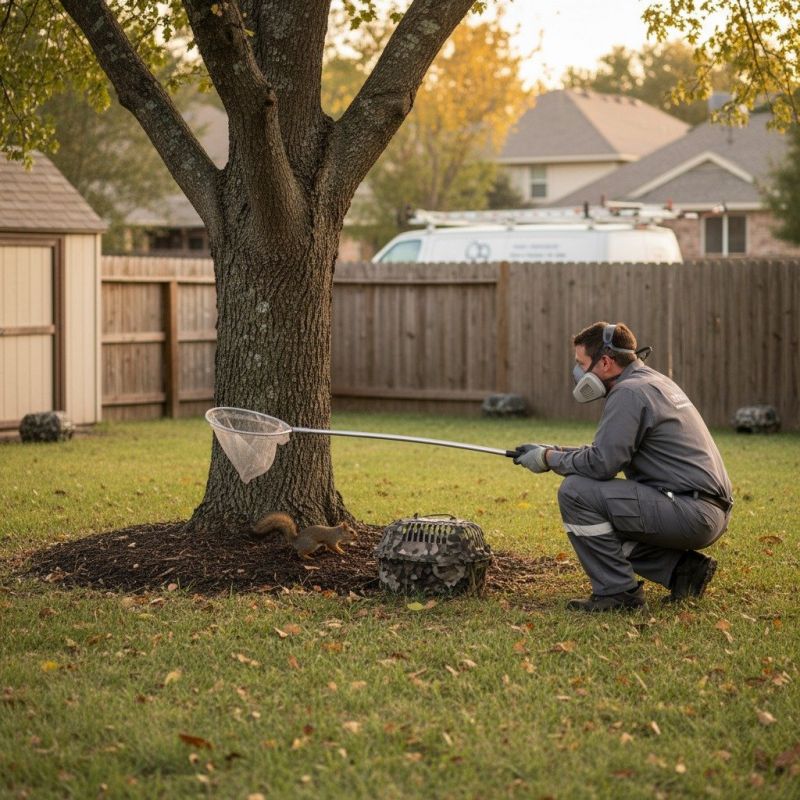
When evaluating service providers for commercial small animal removal, it is important to consider their experience with similar projects. Local contractors who have a proven track record handling small animal issues in commercial settings are more likely to understand the specific challenges these animals can pose to business operations. Inquiring about their past work can provide insight into their familiarity with the types of animals involved, the complexity of the environments they’ve worked in, and their ability to address issues efficiently and effectively. This experience can help ensure that the chosen service provider is well-equipped to manage the unique aspects of commercial buildings impacted by small animals.
Clear written expectations are essential when comparing local contractors for small animal removal services. A detailed scope of work, including the methods used, removal procedures, and any follow-up steps, helps prevent misunderstandings and sets a transparent foundation for the project. Service providers who can articulate their approach in writing demonstrate professionalism and a commitment to clarity. This documentation also allows property owners to compare proposals more effectively, ensuring that all aspects of the job are covered and that there are no surprises once work begins.
Reputable references and strong communication skills are key indicators of a reliable service provider. Local contractors who can provide references from previous commercial clients offer reassurance of their ability to deliver results in similar situations. Good communication throughout the process-whether through timely responses to questions or clear updates-can make a significant difference in managing expectations and addressing concerns promptly. When selecting a service provider, it is worthwhile to prioritize those who demonstrate transparency, responsiveness, and a history of satisfied commercial clients, as these qualities contribute to a smoother and more predictable experience when dealing with how small animals impact commercial buildings and business operations.
Property owners often search for how small animals impact commercial buildings and business operations when they are planning practical projects around their homes and businesses. Local pros provide Commercial Small Animal Removal services for everyday jobs and straightforward project options.
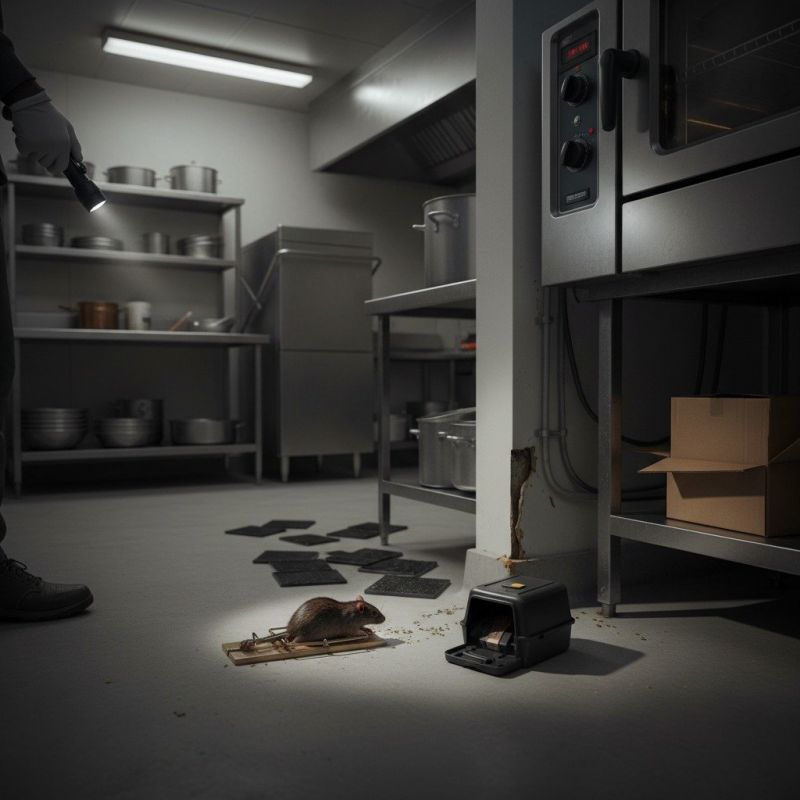
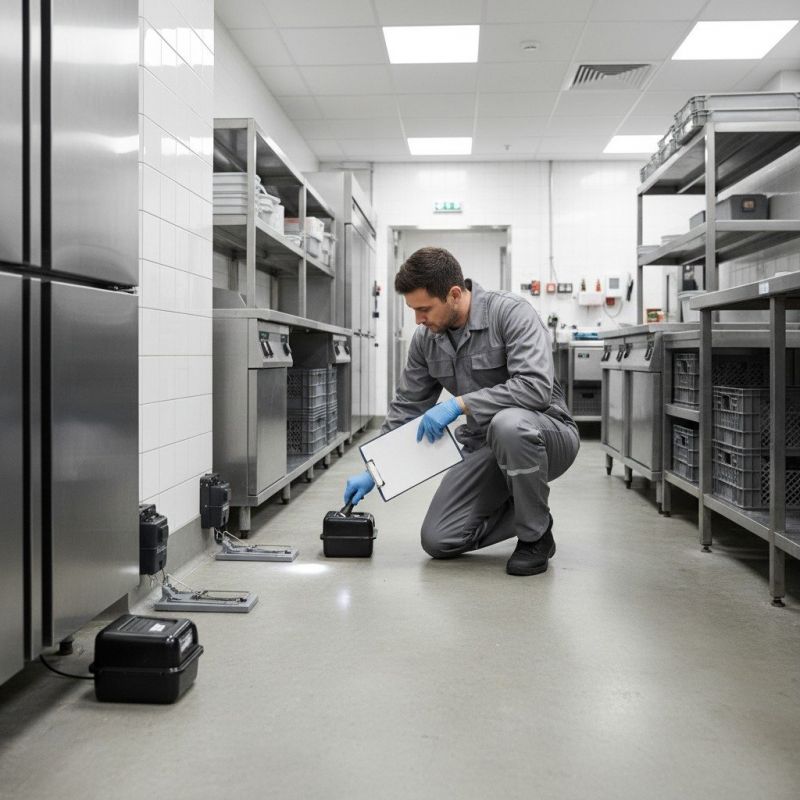
Small animals such as rodents, bats, and birds can cause significant disruptions in commercial buildings, impacting everyday business operations. Their presence often leads to property damage, including chewed wiring, insulation destruction, and compromised building structures, which can result in costly repairs. Additionally, small animals may introduce health risks through droppings, urine, and nesting materials, potentially affecting employee health and safety. Property owners in the area might seek out commercial small animal removal services from local contractors to address these issues promptly and prevent further damage or health concerns.
In many situations, small animals infiltrate commercial spaces through unsealed entry points or damaged building components, especially in older or poorly maintained properties. Their activity can cause noise disturbances, create unpleasant odors, and even attract larger pests, complicating business operations. Local service providers specializing in small animal removal are equipped to handle these situations efficiently, helping property owners restore a safe, clean environment. Connecting with experienced contractors ensures that small animals are removed humanely and that the building is properly secured to prevent future invasions.
How do small animals affect the structural integrity of commercial buildings? Small animals such as rodents and birds can cause damage to building materials, including chewing through wiring, insulation, and wood, which may compromise structural stability over time.
What health risks do small animals pose to business operations? Small animals can carry diseases and parasites that may contaminate food, supplies, or surfaces, potentially leading to health code violations and disruptions in daily business activities.
In what ways can small animals disrupt daily business functions? They may create noise, droppings, or nests that interfere with operations, cause equipment malfunctions, or lead to sanitation issues that impact employee productivity and customer experience.
Why is it important to address small animal presence promptly in commercial spaces? Early intervention helps prevent extensive damage, reduces health risks, and minimizes operational interruptions caused by infestations or nesting behaviors.
How can local service providers assist with small animal removal in commercial buildings? They offer professional removal and exclusion services to safely eliminate small animals and prevent future entry, helping maintain a safe and operational environment.
Identifying entry points - property owners can work with local contractors to locate small animal entry points that may lead to infestations and disrupt business operations.
Preventing damage - implementing exclusion methods with local pros can help stop small animals from gnawing on wiring, insulation, or structural components of commercial buildings.
Mitigating health risks - partnering with local service providers ensures small animals are safely removed, reducing potential health hazards for employees and customers.
Maintaining building integrity - regular inspections by local contractors can help prevent small animals from causing long-term structural issues that impact business continuity.
If you are thinking about how small animals impact commercial buildings and business operations for a property, this guide is meant to help you understand this topic, the typical project types, and how different options might fit your plans.
When you are ready, you can use the quote form on this page to share a few details about your project. From there, local pros can review the basics and follow up with options that match what you have in mind.